Conservation Genomics
Genomics has evolved into a very specialized field. Our lab focuses on plant genomics. There are more than 450K species of plants, out of which only 4500 have been fully sequenced. With the expansion of human civilization and natural resource utilization, we need to conserve our plant resources by conserving their gene pool and understanding their genomic structure. Some of these plants are culturally, religiously, economically, and medicinally important. Such plant resources have faced issues not only from the built environment but also from the changing climate, and their population and diversity are being reduced.
We try to understand important questions like:
- What is the genome architecture, size, gene content, and features available for medicinally, ecologically, and economically important plants and microbes?
- What are evolutionary history and phylogenomic organization, and how do they survive under specific growth conditions?
- What are the biosynthetic pathways of bioactive metabolites, and how can their abilities be improved to produce higher amounts?
- What are taxanomic marker that can help assess the population and genetic diversity of critical plant species?
Approaches:
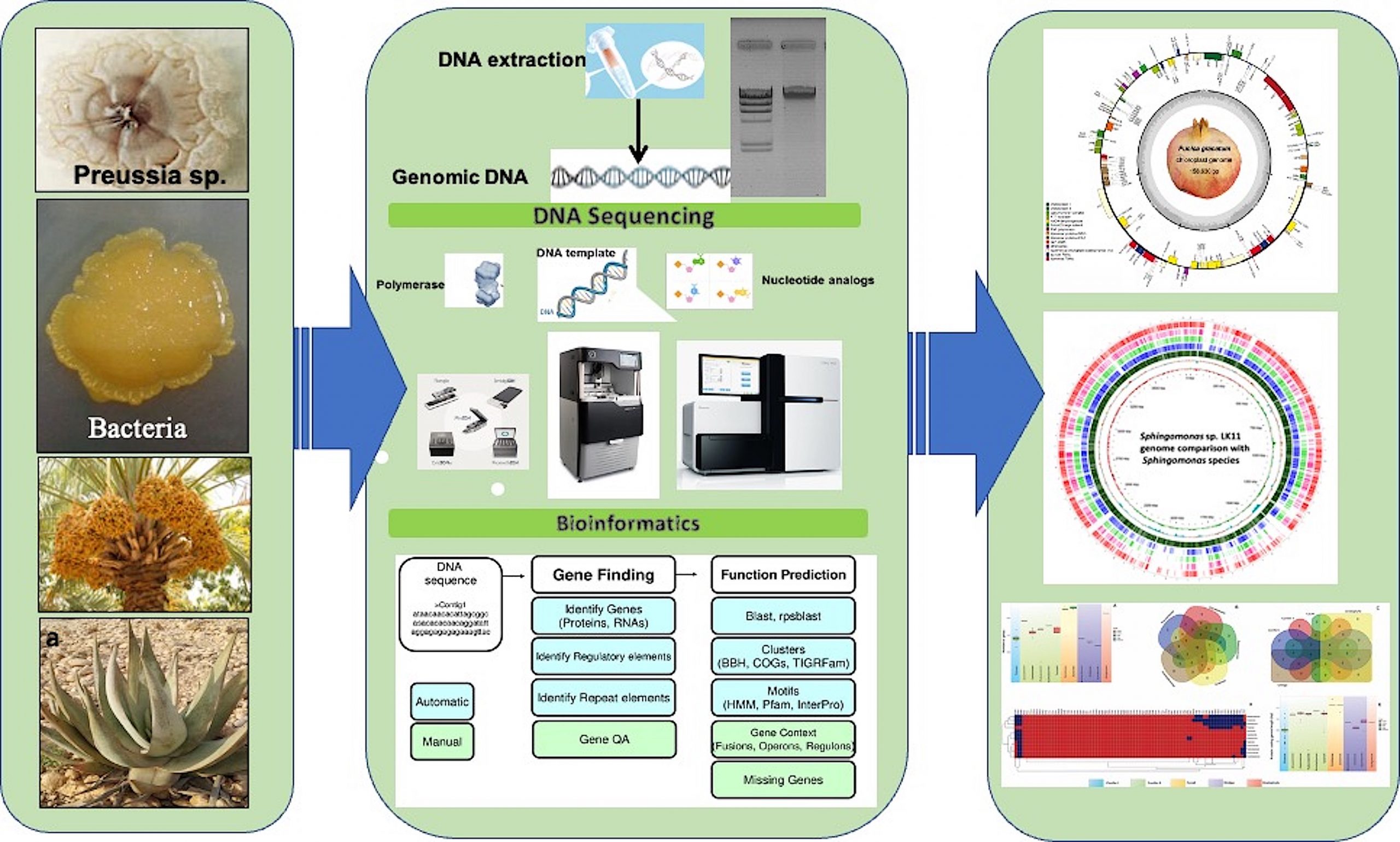
This research work involves several methodologies, such as:
- Whole-genome sequencing of the bioactive microbial strains and plants that possess unique ecology uses and commercial values with NovaSeq 6000 Illumina and PacBio SMRT
- Bioinformatic analysis with the help of UH cluster and available computational resources in the lab
- Identification of gene-clusters and biosynthetic pathways in potential microbes
- Gene cloning, transformation, and genome editing technologies to develop competent microbes
- Evolutionary and phylogenomic perspectives on the taxonomic placement of the species in the phyla
- Elucidating the genome structure, organization, size, and comparative genomics to identify unique genes and features
Current Projects:
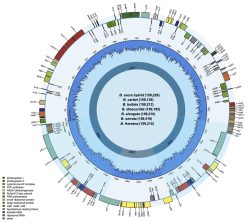
Plastid and mitochondrial genomics of plants, their structure and evolution
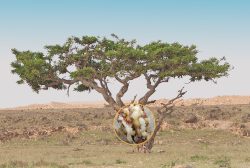
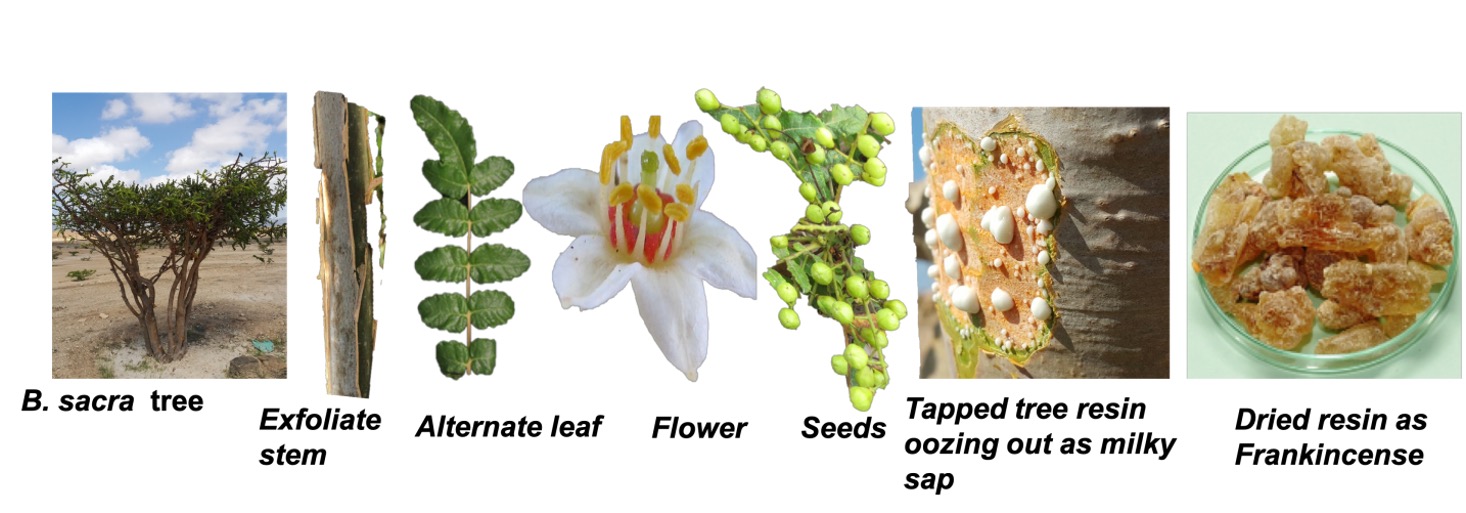
Frankincense whole genome sequencing and resin biosynthesis pathway